Hi there! We are going to create our wn comics, so here is the link to the page in case you want to practise:
http://www.makebeliefscomix.com/Comix/
Have fun!

Collaborating with Baltimore School in the USA
martes, 17 de marzo de 2015

jueves, 5 de marzo de 2015
Sixth graders (year 6) verb to be
Let's see if you remember the verb to be.... (have your copy ready just in case...)
easy (check up)
exercise
advanced (for A grades) (sobresaliente)
easy (check up)
exercise
advanced (for A grades) (sobresaliente)
Sixth graders (year 6)
Read the story:
Copy and answer the questions in the notebook.
Write a short summary (20-40 words)

Lost and Found
Donna and
her husband John go to the beach every Saturday in the summer. Today is
no exception. Donna packs a picnic lunch. She packs the beach umbrella
and sun lotion.
She cannot find their beach towels. Donna always loses things. The towels are not in the laundry basket or dryer. They are not in the closet, either. She finally looks in her beach bag. She sees the towels folded in the bottom. Of course, the beach towels are exactly where they should be.
Donna puts on her swimsuit and floppy sun hat. She is almost ready. She just needs her sunglasses. She thinks they are on the table by the door. Or maybe they are in the bathroom. They could also be in her purse. Donna sighs.
 John
puts the picnic basket, umbrella, and beach bag in the car.
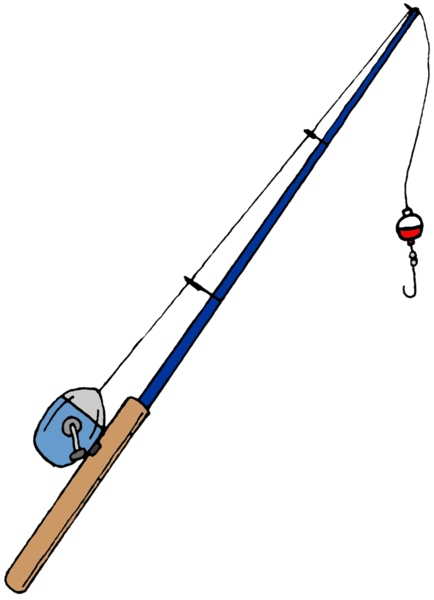
He checks his fishing poles and equipment. He places them in
the
car beside the picnic basket.. Daisy, their dog, jumps in the backseat.
She loves the beach! John is ready to leave. Where is Donna? She knows
he likes to arrive at the beach before the crowds.
John
puts the picnic basket, umbrella, and beach bag in the car.
He checks his fishing poles and equipment. He places them in
the
car beside the picnic basket.. Daisy, their dog, jumps in the backseat.
She loves the beach! John is ready to leave. Where is Donna? She knows
he likes to arrive at the beach before the crowds.
John groans and shakes his head. Donna is always late!
Donna searches for her sunglasses. She cannot find them, and she knows John is waiting. He hates when she is late! She grabs her purse and locks the door.
"You are late," John says as Donna gets in the car. Donna tells John that she could not find her sunglasses.
John looks at her and laughs! He flips down the sun visor so Donna can see herself in the mirror. Donna looks in the mirror and laughs too. Her sunglasses are on top of her head. They were there the whole time!
"It is always in the last place that you look," Donna giggles!
She cannot find their beach towels. Donna always loses things. The towels are not in the laundry basket or dryer. They are not in the closet, either. She finally looks in her beach bag. She sees the towels folded in the bottom. Of course, the beach towels are exactly where they should be.
Donna puts on her swimsuit and floppy sun hat. She is almost ready. She just needs her sunglasses. She thinks they are on the table by the door. Or maybe they are in the bathroom. They could also be in her purse. Donna sighs.
John groans and shakes his head. Donna is always late!
Donna searches for her sunglasses. She cannot find them, and she knows John is waiting. He hates when she is late! She grabs her purse and locks the door.
"You are late," John says as Donna gets in the car. Donna tells John that she could not find her sunglasses.
John looks at her and laughs! He flips down the sun visor so Donna can see herself in the mirror. Donna looks in the mirror and laughs too. Her sunglasses are on top of her head. They were there the whole time!
"It is always in the last place that you look," Donna giggles!
THE END
Questions: (remember to copy them in the notebook)
1. What is the meaning of:
crowdsfishing pole
2. Where were they going?
3. What was Donna looking for before she closed the door?
4. Why does Donna say "It is always in the last place that you look,"?
martes, 3 de marzo de 2015
Sixth graders (Year 6) Term exam
Hi there!
As you know, the term exam is going to be on Friday the 13th, March.
Things you have to know:
- first 30 irregular verbs (check the list)
- The ing form (prezi presentation)
- the meanings of have
- answering questions with how long using for (.....s, units of time)), since (dates) with the present perfect, and ago (, .....................ago, past simple)
- Writing a summary and answering some questions
-reporting conversations.
- Writing the original conversation (quotes or direct style) from a reported conversation
- completing exercises with to be (present and past)
Good luck and go for it!
Some practise with the ing form
Some more practise with the ing form
As you know, the term exam is going to be on Friday the 13th, March.
Things you have to know:
- first 30 irregular verbs (check the list)
- The ing form (prezi presentation)
- the meanings of have
- answering questions with how long using for (.....s, units of time)), since (dates) with the present perfect, and ago (, .....................ago, past simple)
- Writing a summary and answering some questions
-reporting conversations.
- Writing the original conversation (quotes or direct style) from a reported conversation
- completing exercises with to be (present and past)
Good luck and go for it!
Some practise with the ing form
Some more practise with the ing form
Sixth graders (year 6) Reported speech
Unit 6 teaches us how to use reported speech. What is reporting? let's have a look!
Prezi explaining what is reported speech
Ok this prezi teaches more than we need to know in year 6.
So, this is what we must know in unit 6:
Quote Report
Direct Indirect
"........" No "...."
Fer said: "It's my birthday!" Fer said it was his birthday.
Verbs
Mr T: "......." Mr T said that someone .........
Present Simple Aff: (go) Past (went)
Neg (don't go) Didn't + infinitive (didn't go)
Present continuous Aff (am going) Past continuous (was going)
Neg (am not going) (wasn't going)
Can (can go) Could (could go)
Can't (can't go) Couldn't (couldn't go)
Will (will go) Would(would go)
Won't (won't go) Wouldn't (wouldn't go)
Possessive adjectives
My, your his, her, its
Our, your (plural) their
Remember: The report always has two subjects:
Marta: "Daniel is my brother" Marta said Daniel was her brother.
or She said he was her brother.
Juego avanzado para los que quieran practicar otros verbos que no sean Say o tell.
(se tendrá en cuenta para la nota del trimestre si usáis estos verbo, so go 4 it!) Os hará falta diccionario.
Remember in unit 3 we reported orders with ask and tell:
Quote Report
Direct Indirect
"........" No "...."
The captain ordered: "Clean the ship!" The captain told us to clean the ship.
The captain ordered: "Don't fall asleep!" The captain told us not to clean the ship
Verbs
Imperative:"Go!" to go
Negative imperative: "Don't go!" not to go
My, your his, her, its
Our, your (plural) their
We can use tell to report statements, not only orders. But, we have to use it with an object pronoun:
The captain: "I like swimming" The captain told us he liked swimming.
The captain said he liked swimming
The captain said to us that he liked swimming
For advanced players:
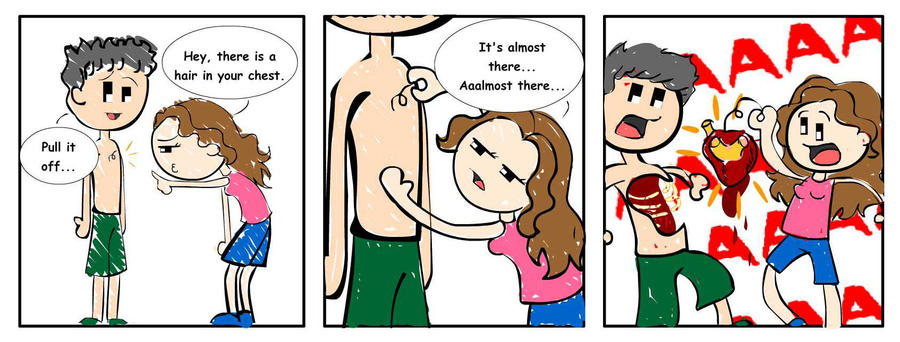
So let's report these comic strips


Prezi explaining what is reported speech
Ok this prezi teaches more than we need to know in year 6.
So, this is what we must know in unit 6:
Quote Report
Direct Indirect
"........" No "...."
Fer said: "It's my birthday!" Fer said it was his birthday.
Verbs
Mr T: "......." Mr T said that someone .........
Present Simple Aff: (go) Past (went)
Neg (don't go) Didn't + infinitive (didn't go)
Present continuous Aff (am going) Past continuous (was going)
Neg (am not going) (wasn't going)
Can (can go) Could (could go)
Can't (can't go) Couldn't (couldn't go)
Will (will go) Would(would go)
Won't (won't go) Wouldn't (wouldn't go)
Possessive adjectives
My, your his, her, its
Our, your (plural) their
Remember: The report always has two subjects:
Marta: "Daniel is my brother" Marta said Daniel was her brother.
or She said he was her brother.
Juego avanzado para los que quieran practicar otros verbos que no sean Say o tell.
(se tendrá en cuenta para la nota del trimestre si usáis estos verbo, so go 4 it!) Os hará falta diccionario.
Remember in unit 3 we reported orders with ask and tell:
Quote Report
Direct Indirect
"........" No "...."
The captain ordered: "Clean the ship!" The captain told us to clean the ship.
The captain ordered: "Don't fall asleep!" The captain told us not to clean the ship
Verbs
Imperative:"Go!" to go
Negative imperative: "Don't go!" not to go
My, your his, her, its
Our, your (plural) their
We can use tell to report statements, not only orders. But, we have to use it with an object pronoun:
The captain: "I like swimming" The captain told us he liked swimming.
The captain said he liked swimming
The captain said to us that he liked swimming
For advanced players:
- Past continuous – changes to past perfect continuous
- Present perfect – changes to past perfect
- Past perfect – remains past perfect
- Past perfect continuous – remains the same
- Will – changes to would
- Can – changes to could
- Have to – changes to had to
So let's report these comic strips


lunes, 2 de marzo de 2015
Third graders (year 3) telling the time
We are going to learn how to say the time in English!
Today we have learnt that we there are two hands:
Whole class clock
To practise at home (cross the bridge)
Stop the clock1
Stop the clock2
Stop the clock 3
Stop the clock 4
Stop the clock 5
Bang on time
BBC game
Hickory dickory dock
Fairy clock
Today we have learnt that we there are two hands:
- the yellow hand tells us about the minutes
- the blue hand tells us about the hours.
Whole class clock
To practise at home (cross the bridge)
Stop the clock1
Stop the clock2
Stop the clock 3
Stop the clock 4
Stop the clock 5
Bang on time
BBC game
Hickory dickory dock
Fairy clock
jueves, 26 de febrero de 2015
Year 3. Counting to 60
Can we count to sixty? I am sure we can, but just in case, let's check with this video:
Do we need to check any number?

Now we are going to count in fives
So, let's practise one more time
.PNG) Can we go down now?
Can we go down now?
Fantastic! Well done!
Now we are going to count in fives
So, let's practise one more time
Fantastic! Well done!
lunes, 23 de febrero de 2015
Year 3. exam correction
Para la corrección del examen:
4. Look and complete (use a, some and any)
 5. Look at the landscape and write a short text using: a, some, any, but, finally (write an introduction)

4. Look and complete (use a, some and any)


domingo, 22 de febrero de 2015
viernes, 20 de febrero de 2015
Year 6. Reading practise
Look at this text. Can you write a summary?
(20-30 words)
remeber: Identify important information, useful information and not relevant information.
THE END
(20-30 words)
remeber: Identify important information, useful information and not relevant information.
Love is in the Air

Every summer, Penny travels to a
family reunion barbeque. Penny is never excited, and this year is no
different. She dreads the drive.
She does not like talking to her relatives. And she does not like the smell of hamburgers. (Penny is a vegetarian.)
When Penny arrives, she sees lots of familiar faces. It is July and Uncle Vernon is wearing a sweater. Uncle Vernon is always cold. It’s very mysterious.
She sees her cousin Polly. Polly has six children. The youngest one screams. Then the oldest one screams. Polly’s children are always screaming.
She sees many of her other cousins in the field playing softball. They play a softball game every year, and it always ends in a big argument. Penny wonders, again, why they never solve it.
Then Penny sees an incredibly handsome man. She stares at him. He catches her staring. He smiles and walks over to her. Penny is very nervous. She is nervous because a handsome man is walking up to her and she is nervous because this handsome man might be her cousin.
The man sticks out his hand and says, "Hi, I’m Paul."
"Hi, I’m Penny," Penny says. "Are we related?"
Paul laughs. "No, we are not related. I am Vernon's nurse. He is sick and needs to keep me close by. But he did not want to miss this barbeque!"
"Oh, thank goodness," Penny says and then blushes. Penny always blushes when she is nervous, embarrassed, or hot, and right now she is all three.
Handsome Paul laughs and says, "Would you like to go get a hamburger with me? They smell delicious."
Penny smiles, "Sure. I love hamburgers!"
She does not like talking to her relatives. And she does not like the smell of hamburgers. (Penny is a vegetarian.)
When Penny arrives, she sees lots of familiar faces. It is July and Uncle Vernon is wearing a sweater. Uncle Vernon is always cold. It’s very mysterious.
She sees her cousin Polly. Polly has six children. The youngest one screams. Then the oldest one screams. Polly’s children are always screaming.
She sees many of her other cousins in the field playing softball. They play a softball game every year, and it always ends in a big argument. Penny wonders, again, why they never solve it.
Then Penny sees an incredibly handsome man. She stares at him. He catches her staring. He smiles and walks over to her. Penny is very nervous. She is nervous because a handsome man is walking up to her and she is nervous because this handsome man might be her cousin.
The man sticks out his hand and says, "Hi, I’m Paul."
"Hi, I’m Penny," Penny says. "Are we related?"
Paul laughs. "No, we are not related. I am Vernon's nurse. He is sick and needs to keep me close by. But he did not want to miss this barbeque!"
"Oh, thank goodness," Penny says and then blushes. Penny always blushes when she is nervous, embarrassed, or hot, and right now she is all three.
Handsome Paul laughs and says, "Would you like to go get a hamburger with me? They smell delicious."
Penny smiles, "Sure. I love hamburgers!"
THE END
miércoles, 18 de febrero de 2015
Year 6. Exam unit 5
These are the dates of the coming exams:
Unit 5.................. Friday, 27th February
Unit 6 (term) ...... Friday, 13th March
Unit 5 Exam
Entrará:
- Ing form (formar el ing a partir de los verbos que nos den) Recordad los 4 casos y excepciones.
- Ejercicios para contestar How long:
How long para preguntar hace cuánto tiempo que sucedió algo
for (durante) con unidades de tiempo. For 5 years (la unidad de tiempo es years), For one minute (la unidad de tiempo es minute) For a long time.
since (pronunciado /sɪns/) que significa desde y se usa con momentos específicos. Since Christmas, since I was five, since 2013....
Ago (hace) 5 years ago, 4 minutes ago. Se coloca al final. Ojo, Ago se usa con Past simple, no present perfect.
Ejercicos online para repasar
for since
for and since (incluye repaso de teoría)
- Teoría del present perfect
Significados de have
Possession: I have got a mobile phone
Eating or drinking: I'm having a pizza (estoy tomando una pizza9
Duty/obligation: Con to: I have to do my homework
Auxiliary: Haber: En el present perfect have es el verbo haber
(Have significan Yo he, tú has, nosotros hemos, vosotros habéis, ellos han
o has que significa él ha, ella ha, ello ha)
Explicar en inglés el uso del present perfect
Explicar en inglés qué significa just con el present perfect
- Repasad los ejercicios del relativo: that, who, where (unit 4 y ejercicios anteriores del blog)
- 25 verbos irregulares
- Las distintas formas de saludar, despedirse, dar gracias
- - Un ejercicio de comprensión lectora. (Podéis repasar las lecturas del libro o buscar otras) que serán preguntas y redactar un resumen. Recordad, lo ideal es menos de 30 palabras. Identificad la información importante, la que es útil y la que es irrelevante.
Unit 5.................. Friday, 27th February
Unit 6 (term) ...... Friday, 13th March
Unit 5 Exam
Entrará:
- Ing form (formar el ing a partir de los verbos que nos den) Recordad los 4 casos y excepciones.
- Ejercicios para contestar How long:
How long para preguntar hace cuánto tiempo que sucedió algo
for (durante) con unidades de tiempo. For 5 years (la unidad de tiempo es years), For one minute (la unidad de tiempo es minute) For a long time.
since (pronunciado /sɪns/) que significa desde y se usa con momentos específicos. Since Christmas, since I was five, since 2013....
Ago (hace) 5 years ago, 4 minutes ago. Se coloca al final. Ojo, Ago se usa con Past simple, no present perfect.
Ejercicos online para repasar
for since
for and since (incluye repaso de teoría)
- Teoría del present perfect
Significados de have
Possession: I have got a mobile phone
Eating or drinking: I'm having a pizza (estoy tomando una pizza9
Duty/obligation: Con to: I have to do my homework
Auxiliary: Haber: En el present perfect have es el verbo haber
(Have significan Yo he, tú has, nosotros hemos, vosotros habéis, ellos han
o has que significa él ha, ella ha, ello ha)
Explicar en inglés el uso del present perfect
Explicar en inglés qué significa just con el present perfect
- Repasad los ejercicios del relativo: that, who, where (unit 4 y ejercicios anteriores del blog)
- 25 verbos irregulares
- Las distintas formas de saludar, despedirse, dar gracias
- - Un ejercicio de comprensión lectora. (Podéis repasar las lecturas del libro o buscar otras) que serán preguntas y redactar un resumen. Recordad, lo ideal es menos de 30 palabras. Identificad la información importante, la que es útil y la que es irrelevante.
martes, 17 de febrero de 2015
3 year Exam unit 5
Hi there! the exam is next Friday
Recordad lo que nos tenemos que saber:
Qué alimentos son contables (countable) o incontables (not countable)
Acordáos de los trucos:
Countable
si acaba en una "s" es porque se pueden poner varios así que se puede contar
An orange....... some oranges

pero ojo, a lo mejor no acaba en "s" porque sólo hay uno.
Not countable
No acaban en una "s" porque no podemos ponerlos en plural (pero acodáos de palabras como grass que si son uncountable)
No podemos decir Waters o miks, ¿verdad?

Si son líquidos o vienen de un líquido, son uncountable
Si son cosas muy, muy, muy pequeñas, también son uncountable (pero ojo con peas= guisantes, que sí se puede contar)
Suga o Salt: cuando tomamos azúcar no contamos cada grano, ¿verdad?

Os dejo la escena de Despicable Me (Gru) para que practiquéis a contarme Qué cosas hay usando
A, some y any
There is a .................. (cuando sólo hay una cosa y se puede contar)
There are some .............s (cuando hay varias cosas y se pueden contar)Recordad, acaba en "s"
porque está en plural
There is some ................ (cuando hay algo que no se puede contar)
¿Os acordáis de cuándo se usaba Any? en la negativa, para decir que no hay algo o en la interrogativa para preguntar si hay algo.
Mirad esta foto del paisaje:

¿Sabríais hacer un texto como el del cuaderno contando lo que hay y lo que no hay?
Y usando a, some, any BUT (para unir frases en afirmativa y negativa) y finally
En la siguiente entrada tenéis los juegos para practicar más
Good luck!
Recordad lo que nos tenemos que saber:
Qué alimentos son contables (countable) o incontables (not countable)
Acordáos de los trucos:
Countable
si acaba en una "s" es porque se pueden poner varios así que se puede contar
An orange....... some oranges

pero ojo, a lo mejor no acaba en "s" porque sólo hay uno.
Not countable
No acaban en una "s" porque no podemos ponerlos en plural (pero acodáos de palabras como grass que si son uncountable)
No podemos decir Waters o miks, ¿verdad?

Si son líquidos o vienen de un líquido, son uncountable
Si son cosas muy, muy, muy pequeñas, también son uncountable (pero ojo con peas= guisantes, que sí se puede contar)
Suga o Salt: cuando tomamos azúcar no contamos cada grano, ¿verdad?

Os dejo la escena de Despicable Me (Gru) para que practiquéis a contarme Qué cosas hay usando
A, some y any
There is a .................. (cuando sólo hay una cosa y se puede contar)
There are some .............s (cuando hay varias cosas y se pueden contar)Recordad, acaba en "s"
porque está en plural
There is some ................ (cuando hay algo que no se puede contar)
¿Os acordáis de cuándo se usaba Any? en la negativa, para decir que no hay algo o en la interrogativa para preguntar si hay algo.
Mirad esta foto del paisaje:

¿Sabríais hacer un texto como el del cuaderno contando lo que hay y lo que no hay?
Y usando a, some, any BUT (para unir frases en afirmativa y negativa) y finally
En la siguiente entrada tenéis los juegos para practicar más
Good luck!
Suscribirse a:
Entradas (Atom)