These are the dates of the coming exams:
Unit 5.................. Friday, 27th February
Unit 6 (term) ...... Friday, 13th March
Unit 5 Exam
Entrará:
- Ing form (formar el ing a partir de los verbos que nos den) Recordad los 4 casos y excepciones.
- Ejercicios para contestar How long:
How long para preguntar hace cuánto tiempo que sucedió algo
for (durante) con unidades de tiempo. For 5 years (la unidad de tiempo es years), For one minute (la unidad de tiempo es minute) For a long time.
since (pronunciado /sɪns/) que significa desde y se usa con momentos específicos. Since Christmas, since I was five, since 2013....
Ago (hace) 5 years ago, 4 minutes ago. Se coloca al final. Ojo, Ago se usa con Past simple, no present perfect.
Ejercicos online para repasar
for since
for and since (incluye repaso de teoría)
- Teoría del present perfect
Significados de have
Possession: I have got a mobile phone
Eating or drinking: I'm having a pizza (estoy tomando una pizza9
Duty/obligation: Con to: I have to do my homework
Auxiliary: Haber: En el present perfect have es el verbo haber
(Have significan Yo he, tú has, nosotros hemos, vosotros habéis, ellos han
o has que significa él ha, ella ha, ello ha)
Explicar en inglés el uso del present perfect
Explicar en inglés qué significa just con el present perfect
- Repasad los ejercicios del relativo: that, who, where (unit 4 y ejercicios anteriores del blog)
- 25 verbos irregulares
- Las distintas formas de saludar, despedirse, dar gracias
- - Un ejercicio de comprensión lectora. (Podéis repasar las lecturas del libro o buscar otras) que serán preguntas y redactar un resumen. Recordad, lo ideal es menos de 30 palabras. Identificad la información importante, la que es útil y la que es irrelevante.

Collaborating with Baltimore School in the USA
miércoles, 18 de febrero de 2015

martes, 17 de febrero de 2015
3 year Exam unit 5
Hi there! the exam is next Friday
Recordad lo que nos tenemos que saber:
Qué alimentos son contables (countable) o incontables (not countable)
Acordáos de los trucos:
Countable
si acaba en una "s" es porque se pueden poner varios así que se puede contar
An orange....... some oranges

pero ojo, a lo mejor no acaba en "s" porque sólo hay uno.
Not countable
No acaban en una "s" porque no podemos ponerlos en plural (pero acodáos de palabras como grass que si son uncountable)
No podemos decir Waters o miks, ¿verdad?

Si son líquidos o vienen de un líquido, son uncountable
Si son cosas muy, muy, muy pequeñas, también son uncountable (pero ojo con peas= guisantes, que sí se puede contar)
Suga o Salt: cuando tomamos azúcar no contamos cada grano, ¿verdad?

Os dejo la escena de Despicable Me (Gru) para que practiquéis a contarme Qué cosas hay usando
A, some y any
There is a .................. (cuando sólo hay una cosa y se puede contar)
There are some .............s (cuando hay varias cosas y se pueden contar)Recordad, acaba en "s"
porque está en plural
There is some ................ (cuando hay algo que no se puede contar)
¿Os acordáis de cuándo se usaba Any? en la negativa, para decir que no hay algo o en la interrogativa para preguntar si hay algo.
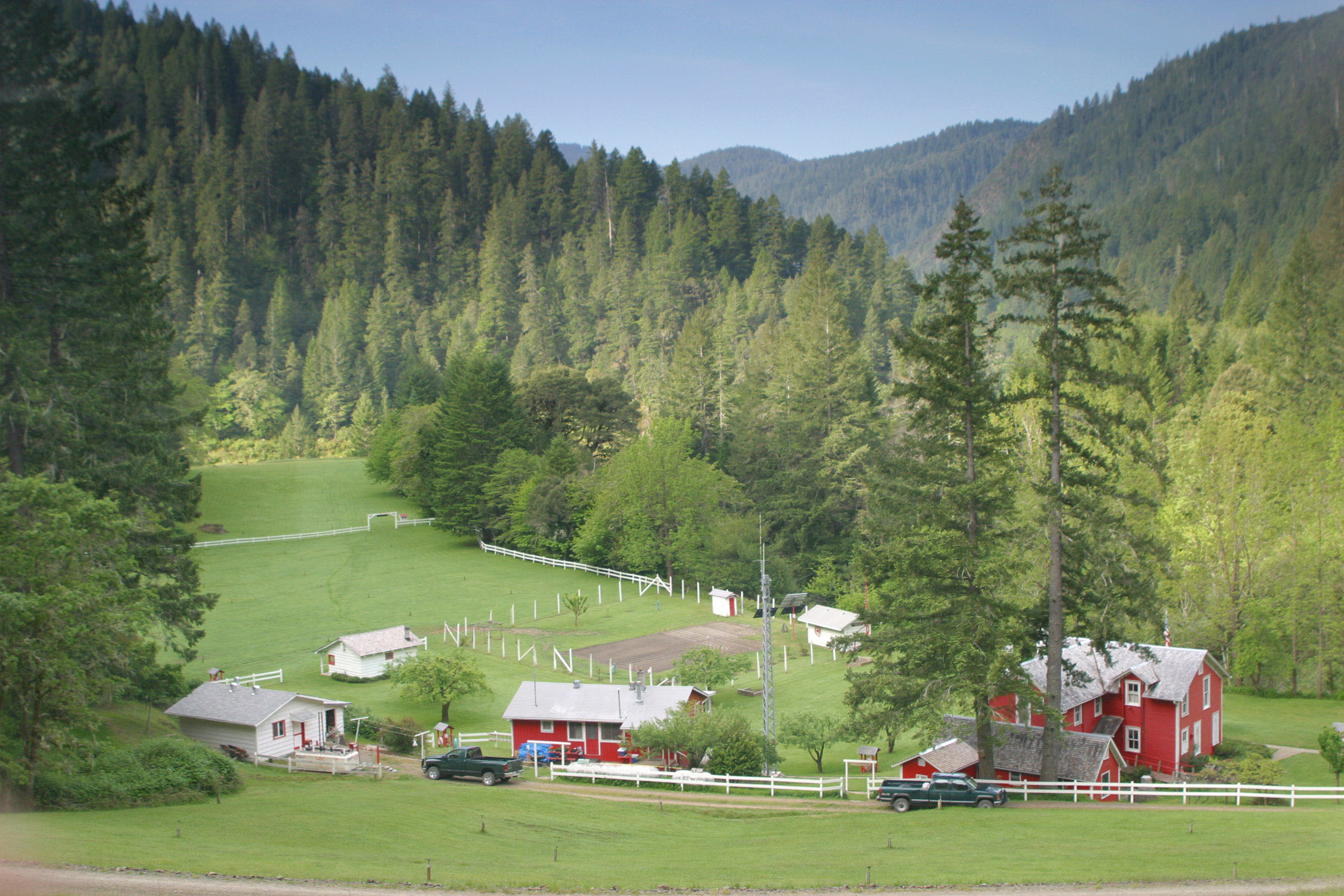
Mirad esta foto del paisaje:

¿Sabríais hacer un texto como el del cuaderno contando lo que hay y lo que no hay?
Y usando a, some, any BUT (para unir frases en afirmativa y negativa) y finally
En la siguiente entrada tenéis los juegos para practicar más
Good luck!
Recordad lo que nos tenemos que saber:
Qué alimentos son contables (countable) o incontables (not countable)
Acordáos de los trucos:
Countable
si acaba en una "s" es porque se pueden poner varios así que se puede contar
An orange....... some oranges

pero ojo, a lo mejor no acaba en "s" porque sólo hay uno.
Not countable
No acaban en una "s" porque no podemos ponerlos en plural (pero acodáos de palabras como grass que si son uncountable)
No podemos decir Waters o miks, ¿verdad?

Si son líquidos o vienen de un líquido, son uncountable
Si son cosas muy, muy, muy pequeñas, también son uncountable (pero ojo con peas= guisantes, que sí se puede contar)
Suga o Salt: cuando tomamos azúcar no contamos cada grano, ¿verdad?

Os dejo la escena de Despicable Me (Gru) para que practiquéis a contarme Qué cosas hay usando
A, some y any
There is a .................. (cuando sólo hay una cosa y se puede contar)
There are some .............s (cuando hay varias cosas y se pueden contar)Recordad, acaba en "s"
porque está en plural
There is some ................ (cuando hay algo que no se puede contar)
¿Os acordáis de cuándo se usaba Any? en la negativa, para decir que no hay algo o en la interrogativa para preguntar si hay algo.
Mirad esta foto del paisaje:

¿Sabríais hacer un texto como el del cuaderno contando lo que hay y lo que no hay?
Y usando a, some, any BUT (para unir frases en afirmativa y negativa) y finally
En la siguiente entrada tenéis los juegos para practicar más
Good luck!
martes, 27 de enero de 2015
3º countable and uncountable nouns
To practice identifying which are countable and uncountable nouns Game
A or an when it is only one (and we can count it) There is a peach
--------- when it is uncountable (we can't count it) There is rice
Remember, liquids, very small things are uncountable nouns.
To practice using a, some and any
Affirmative
A, an when it is only one There is a banana
Some when there are a lot and we can count it. There are some bananas
Some when we can't count it. There is some milk
Negative and interrogative
A, an when it is only one There isn' a banana Is there a banana
Any when there are a lot and we can count it. There aren't any bananas Are there any bananas?
Any when we can't count it. There isn't any milk Is there any milk?
A or an when it is only one (and we can count it) There is a peach
--------- when it is uncountable (we can't count it) There is rice
Remember, liquids, very small things are uncountable nouns.
To practice using a, some and any
Affirmative
A, an when it is only one There is a banana
Some when there are a lot and we can count it. There are some bananas
Some when we can't count it. There is some milk
Negative and interrogative
A, an when it is only one There isn' a banana Is there a banana
Any when there are a lot and we can count it. There aren't any bananas Are there any bananas?
Any when we can't count it. There isn't any milk Is there any milk?
lunes, 26 de enero de 2015
6º reviewing That, who, where
Some games to practice That, who or where in reative clauses
Penalty
En garde Which one is not correct
Cloze test
Some games to practice the passive
making sentences
some difficulty, but I am sure you are all ready for the challenge
active versus passive
Penalty
En garde Which one is not correct
Cloze test
Some games to practice the passive
making sentences
some difficulty, but I am sure you are all ready for the challenge
active versus passive
miércoles, 21 de enero de 2015
3º Exam
Hello everyone!
We are going to move the exam to Friday.
Check the name of the animals and their body parts (the lion's mane, the crocodile's claws....)
We have used two verbs:
Like to say what we like doing. Remember, after like, the action has ING!!!
I like jumping but I don't like splashing in the water.
She likes swimming, but she doesn't like jumping. (with he,she it we put likes)
Can to talk about the things we can do. We don't put ING with can!!!!
I can sing, but I can't fly (no ing)
He can run but he can't speak Russian. ( no "s" after can, it's can, not cans)
Can game Order the sentences
Can game Complete the questions
Can game answer these questions
Can song
Like + ing games 1
Like don't like +ing 2
like + ing 3
We are going to move the exam to Friday.
Check the name of the animals and their body parts (the lion's mane, the crocodile's claws....)
We have used two verbs:
Like to say what we like doing. Remember, after like, the action has ING!!!
I like jumping but I don't like splashing in the water.
She likes swimming, but she doesn't like jumping. (with he,she it we put likes)
Can to talk about the things we can do. We don't put ING with can!!!!
I can sing, but I can't fly (no ing)
He can run but he can't speak Russian. ( no "s" after can, it's can, not cans)
Can game Order the sentences
Can game Complete the questions
Can game answer these questions
Can song
Like + ing games 1
Like don't like +ing 2
like + ing 3
jueves, 15 de enero de 2015
6º Apuntes sobre Relative clauses
Relative clauses
We use them to give details about:
- a person or people: using WHO
Singular: A monster is a creature who scares children
Un monstruo es una criatura que (quien en Inglés) que asusta a los niños.
plural: Monsters are creatures who scare children
Los mosntruos son criaturas que (quienes en inglés) que asustan a los niños.
- a thing or things: using THAT
Singular: A pencil is a thing that helps me write.
Un lápiz es una cosa que me ayuda a escribir.
Plural: Pencils are things that help me write.
Los lápices son cosas que me ayudan a escribir.
- a place or places: using WHERE
Singular: A school is a place where we learn.
Un colegio es un lugar donde nosotros aprendemos.
Plural: Schools are places where we learn.
Los colegios son sitios donde nosotros aprendemos.
We use them to give details about:
- a person or people: using WHO
Singular: A monster is a creature who scares children
Un monstruo es una criatura que (quien en Inglés) que asusta a los niños.
plural: Monsters are creatures who scare children
Los mosntruos son criaturas que (quienes en inglés) que asustan a los niños.
- a thing or things: using THAT
Singular: A pencil is a thing that helps me write.
Un lápiz es una cosa que me ayuda a escribir.
Plural: Pencils are things that help me write.
Los lápices son cosas que me ayudan a escribir.
- a place or places: using WHERE
Singular: A school is a place where we learn.
Un colegio es un lugar donde nosotros aprendemos.
Plural: Schools are places where we learn.
Los colegios son sitios donde nosotros aprendemos.
lunes, 12 de enero de 2015
Repaso de verbos para 6º de primaria
Hi there!
Vamos a hacer un repaso de tiempos verbales. Este es el índice que vamos a seguir:
Verbos que no necesitan auxiliar
Enero
To be (present simple, past simple, present perfect and future)
There is/are /was/were
Febrero
Can (present simple , past simple-could, present perfect- have been able, and future will be able to)
Have got ( present simple, past simple, present perfect and future)
Verbos que si necesitan auxiliar
Marzo En present simple (use and spelling rules)
Abril En present continuous (use and spelling rules)
Para esta unidad tenemos que trabajar el verbo to be. Seguro que os lo sabéis, pero ¿podríais conjugarlo y traducirlo en todos estos tiempos?
Present simple
 Past simple


Future simple

¿sabríais escribir el present perfect?
(recordad: I have been...)
There is/are


And now, some practice
1. http://www.eclecticenglish.com/grammar/PresentSimpleToBe1A.html
2. http://www.learnenglishfeelgood.com/english-verbs-tobe1.html
3.http://english-zone.com/verbs/past-be02.html
4. http://www.englishmaven.org/HP6/To_Be_Exercise6.htm
5. http://www.englishexercises.org/makeagame/viewgame.asp?id=5211
6. http://www.tolearnenglish.com/exercises/exercise-english-2/exercise-english-21392.php
Vamos a hacer un repaso de tiempos verbales. Este es el índice que vamos a seguir:
Verbos que no necesitan auxiliar
Enero
To be (present simple, past simple, present perfect and future)
There is/are /was/were
Febrero
Can (present simple , past simple-could, present perfect- have been able, and future will be able to)
Have got ( present simple, past simple, present perfect and future)
Verbos que si necesitan auxiliar
Marzo En present simple (use and spelling rules)
Abril En present continuous (use and spelling rules)
Para esta unidad tenemos que trabajar el verbo to be. Seguro que os lo sabéis, pero ¿podríais conjugarlo y traducirlo en todos estos tiempos?
Present simple

Future simple
¿sabríais escribir el present perfect?
(recordad: I have been...)
There is/are
And now, some practice
1. http://www.eclecticenglish.com/grammar/PresentSimpleToBe1A.html
2. http://www.learnenglishfeelgood.com/english-verbs-tobe1.html
3.http://english-zone.com/verbs/past-be02.html
4. http://www.englishmaven.org/HP6/To_Be_Exercise6.htm
5. http://www.englishexercises.org/makeagame/viewgame.asp?id=5211
6. http://www.tolearnenglish.com/exercises/exercise-english-2/exercise-english-21392.php
presentaciones en 3º de primaria
Hi there!
Vamos a hacer unas presentaciones en inglés para contar las cosas que nos gusta hacer.
No podemos leerlo, no vale memorizarlo. Hay que saber contarlo. Eso sí, vamos a trabajar un guión para ayudarnos.
Tenemos que hablar entre 3 y 5 minutos así que tenemos que dar detalles.
Lo primero: presentarnos y decir de qué vamos a hablar.
Después, contar lo que nos gusta hacer dando detalles.
First, I like .................................. ing,
Contad dónde lo hacéis, con quién, si hay una canción favorita, un artista favorito, o un equipo o jugador favorito....
Contad por qué os gusta.
Then, I like ................................... ing
De nuevo, dónde lo hacéis, con quién, si hay una canción favorita, un artista favorito, o un equipo o jugador favorito....
Contad por qué os gusta.
Next, I like ................................... ing
De nuevo, dónde lo hacéis, con quién, si hay una canción favorita, un artista favorito, o un equipo o jugador favorito....
Contad por qué os gusta.
Finally, I like ................................... ing
De nuevo, dónde lo hacéis, con quién, si hay una canción favorita, un artista favorito, o un equipo o jugador favorito....
Contad por qué os gusta.
Vamos a hacer unas presentaciones en inglés para contar las cosas que nos gusta hacer.
No podemos leerlo, no vale memorizarlo. Hay que saber contarlo. Eso sí, vamos a trabajar un guión para ayudarnos.
Tenemos que hablar entre 3 y 5 minutos así que tenemos que dar detalles.
Lo primero: presentarnos y decir de qué vamos a hablar.
Después, contar lo que nos gusta hacer dando detalles.
First, I like .................................. ing,
Contad dónde lo hacéis, con quién, si hay una canción favorita, un artista favorito, o un equipo o jugador favorito....
Contad por qué os gusta.
Then, I like ................................... ing
De nuevo, dónde lo hacéis, con quién, si hay una canción favorita, un artista favorito, o un equipo o jugador favorito....
Contad por qué os gusta.
Next, I like ................................... ing
De nuevo, dónde lo hacéis, con quién, si hay una canción favorita, un artista favorito, o un equipo o jugador favorito....
Contad por qué os gusta.
Finally, I like ................................... ing
De nuevo, dónde lo hacéis, con quién, si hay una canción favorita, un artista favorito, o un equipo o jugador favorito....
Contad por qué os gusta.
Ideas para contar porqué os gustan las cosas:
I like it because it's fun
I like it because it entertains me (me entretiene)
I like it because I learn (porque aprendo)
Good luck!
domingo, 11 de enero de 2015
Rezagados de 6º
Hi there!
Para los "ultra despistados" de 6º:
Algunos han ido un poco justitos en la primera evaluación, así que os mandé repetir los ejercicios en el cuaderno entre otras cosas. Os vuelvo a subir lo que tenéis que entregar. Fecha límite: viernes 16 de enero.
Para los "ultra despistados" de 6º:
Algunos han ido un poco justitos en la primera evaluación, así que os mandé repetir los ejercicios en el cuaderno entre otras cosas. Os vuelvo a subir lo que tenéis que entregar. Fecha límite: viernes 16 de enero.
los alumnos a los que se les dio la hoja de indicaciones, tienen que copiar en el cuaderno,
ordenadamente, con buena presentación e indicando página, nº de ejercicios y
enunciado, los siguientes ejercicios:
Sb page 17 ex1 (copiar todas las preguntas y dar
sus propias respuestas cortas: yes, I have/No, I haven’t)
Sb page 17 ex2 punto 2. Copiar y completar esas
preguntas en el cuaderno con participios.)
Sb page 20
Los puntos 1 y 4.
Sb page 21. Escribir lo que ha hecho su
especialista. Escribir 5 preguntas sobre otro especialista.
Sb page 23 los textos de Shrek y Theprisoner de
Azkaban.
Sb page 26. 1 y 2 (Escribir las preguntas ordenadas).
Sb page 27 los 2 primeros apartados.
Sb page 28 tercer apartado.
Sb page 32 ex 1. Todas las órdenes que aparecen,
hay que relatarlas, es decir, “reportthem”.
(The captain
told me to…./the capatain told me not to…)
Sb page 33 copiar el ex 1.
Sb page 38 ex 1,2 en el cuaderno.
Sb page 39 los 2 primeros paratados.
Activity Book
Ab page 16 ex 2. Copiar las preguntas y las
respuestas.
Ab page 28 entera.
Ab page 29 .ex 2
Ab pge 33 apartado 2 (la tabla de pronombres)
Ab 32 ex 1,2.
Ab page 33 la tabla.
Ánimo, a ponerse con ellos. Estudiando bien los
verbos irregulares, las formas de saludar y despedirnos, aseguramos puntos, así
que a ponerse a ello.
miércoles, 10 de diciembre de 2014
Year 6 unit 3 review
Hi there!
The exam is next Friday, remember to check these items:
- a reading with some questions
- 15 irregular verbs. (study them)
- ways to say hello, goodbye and thank you. (identify them)
- Giving orders (like: Jump!, Don't jump!)
- reporting orders (like: Sandra told us to jump. Miguel told us not to jump)
- substituting names for pronouns (so you have to know the subject pronouns, and the object pronouns)
- paticiples seen in the unit:( plant--planted dig---dug build----built.....)
- talk about what has changed in a place (like Sb and Ab page 28)
- answer questions in Present perfect to talk about our experience
- answer question in present simple, present continuous and present perfect,
like in the coats game:
What are you carrying? I am carrying ......a pen, a coat, a notebook....
What are you wearing? I am wearing.... a uniform,atracksuit, a t-shirt....
These are present continuous questions and answers (am,are,is and ing)
What do you do on Mondays?
possible answers:
I go to school,
I play football....
What do you sing at Christmas?
I sing Christmas carols (villancicos...)
These are present simple questions and answers. (do in the questions)
What museums have you visited? I have visited....... the Prado, the Navy Museum.....
What exciting things have you done? possible answers
I have run in a competition,
I have gone to a special party with my friends
I have sung a difficult song.....
These are present perfect questions and answers (have, has and past participle)
The exam is next Friday, remember to check these items:
- a reading with some questions
- 15 irregular verbs. (study them)
- ways to say hello, goodbye and thank you. (identify them)
- Giving orders (like: Jump!, Don't jump!)
- reporting orders (like: Sandra told us to jump. Miguel told us not to jump)
- substituting names for pronouns (so you have to know the subject pronouns, and the object pronouns)
- paticiples seen in the unit:( plant--planted dig---dug build----built.....)
- talk about what has changed in a place (like Sb and Ab page 28)
- answer questions in Present perfect to talk about our experience
- answer question in present simple, present continuous and present perfect,
like in the coats game:
What are you carrying? I am carrying ......a pen, a coat, a notebook....
What are you wearing? I am wearing.... a uniform,atracksuit, a t-shirt....
These are present continuous questions and answers (am,are,is and ing)
What do you do on Mondays?
possible answers:
I go to school,
I play football....
What do you sing at Christmas?
I sing Christmas carols (villancicos...)
These are present simple questions and answers. (do in the questions)
What museums have you visited? I have visited....... the Prado, the Navy Museum.....
What exciting things have you done? possible answers
I have run in a competition,
I have gone to a special party with my friends
I have sung a difficult song.....
These are present perfect questions and answers (have, has and past participle)
miércoles, 3 de diciembre de 2014
3º primaria, repaso para el examen del martes 9
Hi there, people of year 3!!!
We are doing the exam next Tuesday, 9th December.
For the exam:
Vocabulary:


Remember: Acorn, seed, stem, flower....
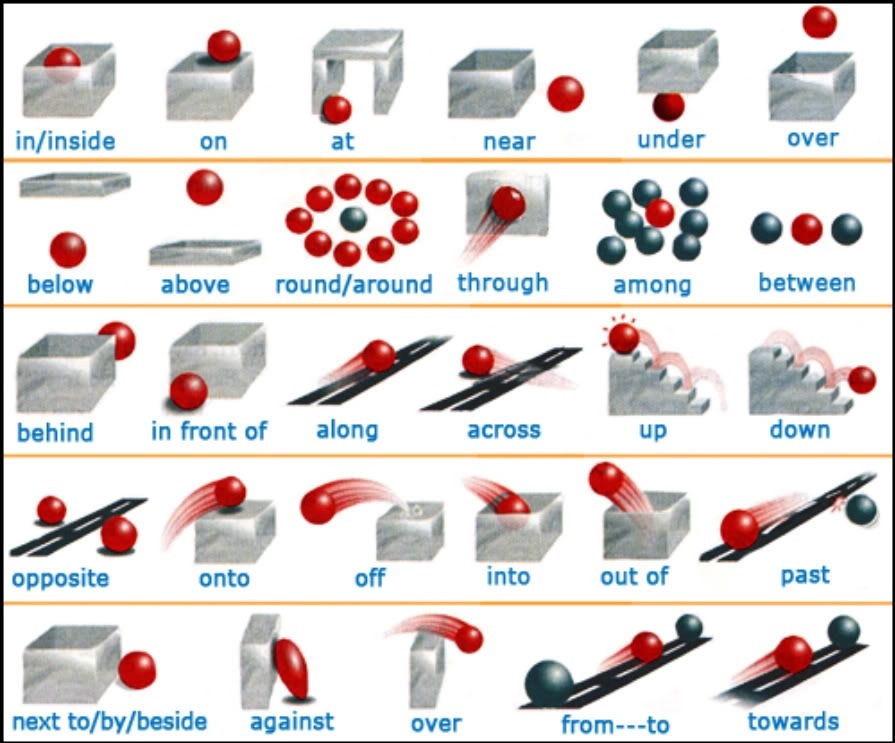
Remember:
Over
Through
Across
Up
Down
Around
 Play a Game!!!
Play another game (make questions, how fast can you think)
And still another one
 There is a book! (only 1)
There are some books!! (a lot of books)
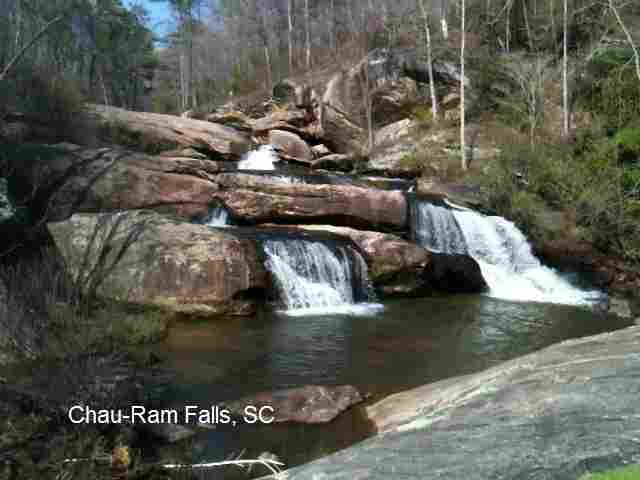
Compare these pictures:


We are doing the exam next Tuesday, 9th December.
For the exam:
Vocabulary:
- places in nature (river, bridge, path, lake, hill, valley.....)
- parts of a tree
Remember: Acorn, seed, stem, flower....
- Prepositions:
Remember:
Over
Through
Across
Up
Down
Around
- make questions with: What, when, where and why
 Play a Game!!!
Play another game (make questions, how fast can you think)
And still another one
- Describe the differences in a picture using there is, are
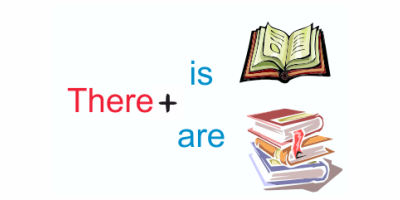
There are some books!! (a lot of books)
Compare these pictures:


Repasando Subject and object pronouns
Hi there!!!
In this unit we are learning the difference between Subject pronouns and object pronouns.
Here is the game we played today!!!
 Another game, less basic ;)))
Soon we'll also see the possessive adjectives and the possessive pronouns.
Remember:
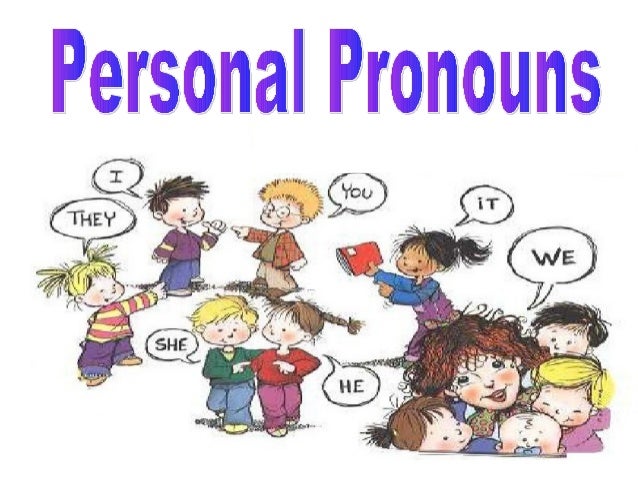
Subject pronouns DO the action

Object pronouns RECEIVE the action

Possessive adjectives: These go with a noun and they describe possession.

Game about possessive adjectives
Possessive pronouns: They substitute the noun, so they never go with a noun. They describe possession .

Game about possessive pronouns
In this unit we are learning the difference between Subject pronouns and object pronouns.
Here is the game we played today!!!
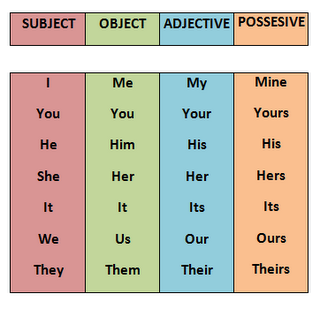
Soon we'll also see the possessive adjectives and the possessive pronouns.
Remember:
Subject pronouns DO the action
Object pronouns RECEIVE the action
Possessive adjectives: These go with a noun and they describe possession.

Game about possessive adjectives
Possessive pronouns: They substitute the noun, so they never go with a noun. They describe possession .

Game about possessive pronouns
Suscribirse a:
Entradas (Atom)