Hi there!
Vamos a hacer un repaso de tiempos verbales. Este es el índice que vamos a seguir:
Verbos que no necesitan auxiliar
Enero
To be (present simple, past simple, present perfect and future)
There is/are /was/were
Febrero
Can (present simple , past simple-could, present perfect- have been able, and future will be able to)
Have got ( present simple, past simple, present perfect and future)
Verbos que si necesitan auxiliar
Marzo En present simple (use and spelling rules)
Abril En present continuous (use and spelling rules)
Para esta unidad tenemos que trabajar el verbo to be. Seguro que os lo sabéis, pero ¿podríais conjugarlo y traducirlo en todos estos tiempos?
Present simple
Past simple
Future simple
¿sabríais escribir el present perfect?
(recordad: I have been...)
There is/are
And now, some practice
1. http://www.eclecticenglish.com/grammar/PresentSimpleToBe1A.html
2. http://www.learnenglishfeelgood.com/english-verbs-tobe1.html
3.http://english-zone.com/verbs/past-be02.html
4. http://www.englishmaven.org/HP6/To_Be_Exercise6.htm
5. http://www.englishexercises.org/makeagame/viewgame.asp?id=5211
6. http://www.tolearnenglish.com/exercises/exercise-english-2/exercise-english-21392.php
lunes, 12 de enero de 2015
presentaciones en 3º de primaria
Hi there!
Vamos a hacer unas presentaciones en inglés para contar las cosas que nos gusta hacer.
No podemos leerlo, no vale memorizarlo. Hay que saber contarlo. Eso sí, vamos a trabajar un guión para ayudarnos.
Tenemos que hablar entre 3 y 5 minutos así que tenemos que dar detalles.
Lo primero: presentarnos y decir de qué vamos a hablar.
Después, contar lo que nos gusta hacer dando detalles.
First, I like .................................. ing,
Contad dónde lo hacéis, con quién, si hay una canción favorita, un artista favorito, o un equipo o jugador favorito....
Contad por qué os gusta.
Then, I like ................................... ing
De nuevo, dónde lo hacéis, con quién, si hay una canción favorita, un artista favorito, o un equipo o jugador favorito....
Contad por qué os gusta.
Next, I like ................................... ing
De nuevo, dónde lo hacéis, con quién, si hay una canción favorita, un artista favorito, o un equipo o jugador favorito....
Contad por qué os gusta.
Finally, I like ................................... ing
De nuevo, dónde lo hacéis, con quién, si hay una canción favorita, un artista favorito, o un equipo o jugador favorito....
Contad por qué os gusta.
Vamos a hacer unas presentaciones en inglés para contar las cosas que nos gusta hacer.
No podemos leerlo, no vale memorizarlo. Hay que saber contarlo. Eso sí, vamos a trabajar un guión para ayudarnos.
Tenemos que hablar entre 3 y 5 minutos así que tenemos que dar detalles.
Lo primero: presentarnos y decir de qué vamos a hablar.
Después, contar lo que nos gusta hacer dando detalles.
First, I like .................................. ing,
Contad dónde lo hacéis, con quién, si hay una canción favorita, un artista favorito, o un equipo o jugador favorito....
Contad por qué os gusta.
Then, I like ................................... ing
De nuevo, dónde lo hacéis, con quién, si hay una canción favorita, un artista favorito, o un equipo o jugador favorito....
Contad por qué os gusta.
Next, I like ................................... ing
De nuevo, dónde lo hacéis, con quién, si hay una canción favorita, un artista favorito, o un equipo o jugador favorito....
Contad por qué os gusta.
Finally, I like ................................... ing
De nuevo, dónde lo hacéis, con quién, si hay una canción favorita, un artista favorito, o un equipo o jugador favorito....
Contad por qué os gusta.
Ideas para contar porqué os gustan las cosas:
I like it because it's fun
I like it because it entertains me (me entretiene)
I like it because I learn (porque aprendo)
Good luck!
domingo, 11 de enero de 2015
Rezagados de 6º
Hi there!
Para los "ultra despistados" de 6º:
Algunos han ido un poco justitos en la primera evaluación, así que os mandé repetir los ejercicios en el cuaderno entre otras cosas. Os vuelvo a subir lo que tenéis que entregar. Fecha límite: viernes 16 de enero.
Para los "ultra despistados" de 6º:
Algunos han ido un poco justitos en la primera evaluación, así que os mandé repetir los ejercicios en el cuaderno entre otras cosas. Os vuelvo a subir lo que tenéis que entregar. Fecha límite: viernes 16 de enero.
los alumnos a los que se les dio la hoja de indicaciones, tienen que copiar en el cuaderno,
ordenadamente, con buena presentación e indicando página, nº de ejercicios y
enunciado, los siguientes ejercicios:
Sb page 17 ex1 (copiar todas las preguntas y dar
sus propias respuestas cortas: yes, I have/No, I haven’t)
Sb page 17 ex2 punto 2. Copiar y completar esas
preguntas en el cuaderno con participios.)
Sb page 20
Los puntos 1 y 4.
Sb page 21. Escribir lo que ha hecho su
especialista. Escribir 5 preguntas sobre otro especialista.
Sb page 23 los textos de Shrek y Theprisoner de
Azkaban.
Sb page 26. 1 y 2 (Escribir las preguntas ordenadas).
Sb page 27 los 2 primeros apartados.
Sb page 28 tercer apartado.
Sb page 32 ex 1. Todas las órdenes que aparecen,
hay que relatarlas, es decir, “reportthem”.
(The captain
told me to…./the capatain told me not to…)
Sb page 33 copiar el ex 1.
Sb page 38 ex 1,2 en el cuaderno.
Sb page 39 los 2 primeros paratados.
Activity Book
Ab page 16 ex 2. Copiar las preguntas y las
respuestas.
Ab page 28 entera.
Ab page 29 .ex 2
Ab pge 33 apartado 2 (la tabla de pronombres)
Ab 32 ex 1,2.
Ab page 33 la tabla.
Ánimo, a ponerse con ellos. Estudiando bien los
verbos irregulares, las formas de saludar y despedirnos, aseguramos puntos, así
que a ponerse a ello.
miércoles, 10 de diciembre de 2014
Year 6 unit 3 review
Hi there!
The exam is next Friday, remember to check these items:
- a reading with some questions
- 15 irregular verbs. (study them)
- ways to say hello, goodbye and thank you. (identify them)
- Giving orders (like: Jump!, Don't jump!)
- reporting orders (like: Sandra told us to jump. Miguel told us not to jump)
- substituting names for pronouns (so you have to know the subject pronouns, and the object pronouns)
- paticiples seen in the unit:( plant--planted dig---dug build----built.....)
- talk about what has changed in a place (like Sb and Ab page 28)
- answer questions in Present perfect to talk about our experience
- answer question in present simple, present continuous and present perfect,
like in the coats game:
What are you carrying? I am carrying ......a pen, a coat, a notebook....
What are you wearing? I am wearing.... a uniform,atracksuit, a t-shirt....
These are present continuous questions and answers (am,are,is and ing)
What do you do on Mondays?
possible answers:
I go to school,
I play football....
What do you sing at Christmas?
I sing Christmas carols (villancicos...)
These are present simple questions and answers. (do in the questions)
What museums have you visited? I have visited....... the Prado, the Navy Museum.....
What exciting things have you done? possible answers
I have run in a competition,
I have gone to a special party with my friends
I have sung a difficult song.....
These are present perfect questions and answers (have, has and past participle)
The exam is next Friday, remember to check these items:
- a reading with some questions
- 15 irregular verbs. (study them)
- ways to say hello, goodbye and thank you. (identify them)
- Giving orders (like: Jump!, Don't jump!)
- reporting orders (like: Sandra told us to jump. Miguel told us not to jump)
- substituting names for pronouns (so you have to know the subject pronouns, and the object pronouns)
- paticiples seen in the unit:( plant--planted dig---dug build----built.....)
- talk about what has changed in a place (like Sb and Ab page 28)
- answer questions in Present perfect to talk about our experience
- answer question in present simple, present continuous and present perfect,
like in the coats game:
What are you carrying? I am carrying ......a pen, a coat, a notebook....
What are you wearing? I am wearing.... a uniform,atracksuit, a t-shirt....
These are present continuous questions and answers (am,are,is and ing)
What do you do on Mondays?
possible answers:
I go to school,
I play football....
What do you sing at Christmas?
I sing Christmas carols (villancicos...)
These are present simple questions and answers. (do in the questions)
What museums have you visited? I have visited....... the Prado, the Navy Museum.....
What exciting things have you done? possible answers
I have run in a competition,
I have gone to a special party with my friends
I have sung a difficult song.....
These are present perfect questions and answers (have, has and past participle)
miércoles, 3 de diciembre de 2014
3º primaria, repaso para el examen del martes 9
Hi there, people of year 3!!!
We are doing the exam next Tuesday, 9th December.
For the exam:
Vocabulary:
Remember: Acorn, seed, stem, flower....
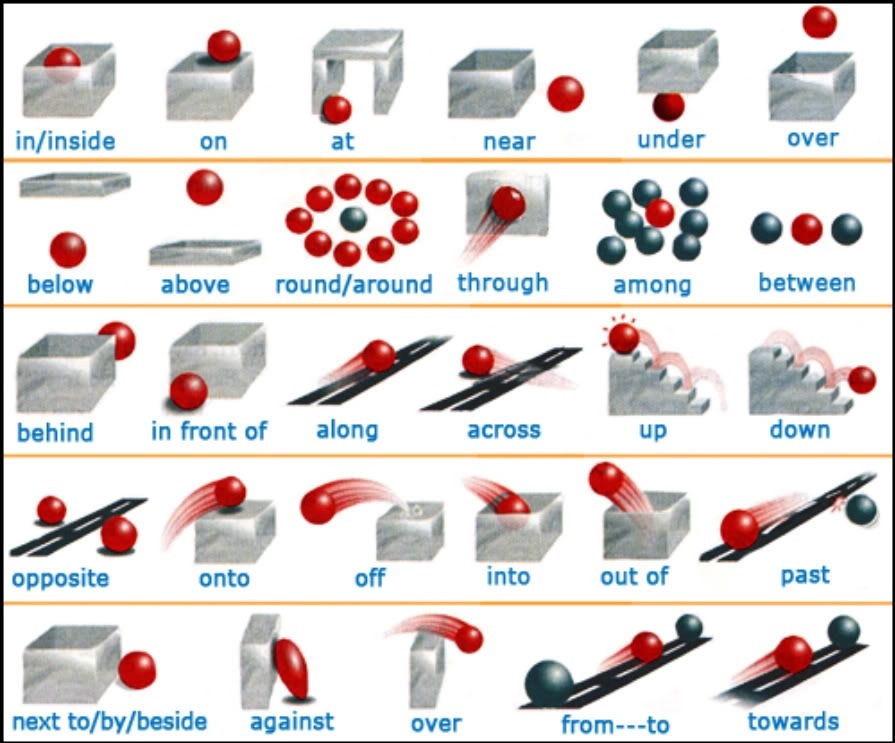
Remember:
Over
Through
Across
Up
Down
Around
Play a Game!!!
Play another game (make questions, how fast can you think)
And still another one
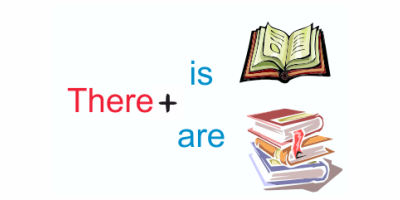
There is a book! (only 1)
There are some books!! (a lot of books)
Compare these pictures:
We are doing the exam next Tuesday, 9th December.
For the exam:
Vocabulary:
- places in nature (river, bridge, path, lake, hill, valley.....)
- parts of a tree
Remember: Acorn, seed, stem, flower....
- Prepositions:
Remember:
Over
Through
Across
Up
Down
Around
- make questions with: What, when, where and why
Play another game (make questions, how fast can you think)
And still another one
- Describe the differences in a picture using there is, are
There is a book! (only 1)
There are some books!! (a lot of books)
Compare these pictures:
Repasando Subject and object pronouns
Hi there!!!
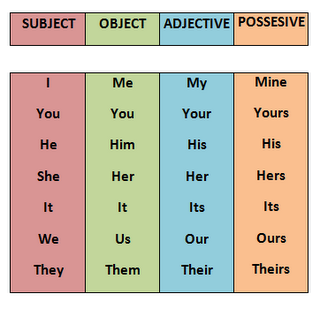
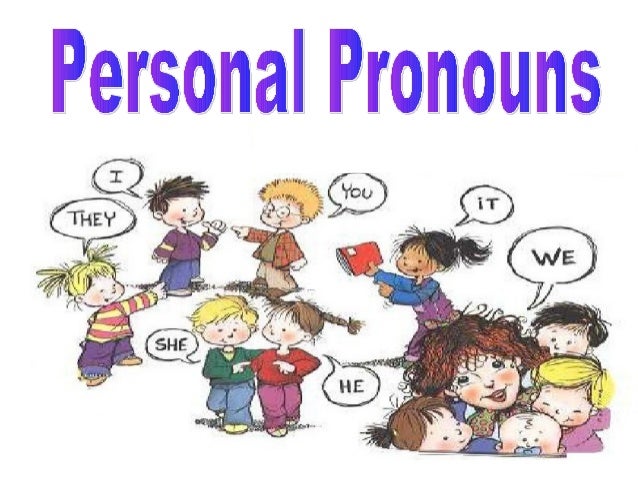
In this unit we are learning the difference between Subject pronouns and object pronouns.
Here is the game we played today!!!
Another game, less basic ;)))
Soon we'll also see the possessive adjectives and the possessive pronouns.
Remember:
Subject pronouns DO the action
Object pronouns RECEIVE the action
Possessive adjectives: These go with a noun and they describe possession.
Game about possessive adjectives
Possessive pronouns: They substitute the noun, so they never go with a noun. They describe possession .
Game about possessive pronouns
In this unit we are learning the difference between Subject pronouns and object pronouns.
Here is the game we played today!!!
Another game, less basic ;)))
Soon we'll also see the possessive adjectives and the possessive pronouns.
Remember:
Subject pronouns DO the action
Object pronouns RECEIVE the action
Possessive adjectives: These go with a noun and they describe possession.
Game about possessive adjectives
Possessive pronouns: They substitute the noun, so they never go with a noun. They describe possession .
Game about possessive pronouns
viernes, 28 de noviembre de 2014
Celebrating Thanksgiving
Look at these pilgrim hats!
We have learnt how cold and hungry the first pilgrims were, when they first arrived in Plymouth.
After a year they had food and houses, so they were not hungry and cold any more.
So that is why they celebrate Thanksgiving!!
We have learnt how cold and hungry the first pilgrims were, when they first arrived in Plymouth.
After a year they had food and houses, so they were not hungry and cold any more.
So that is why they celebrate Thanksgiving!!
miércoles, 12 de noviembre de 2014
Repaso Unit 2 Year 6
Hi there!
remember, we are doing the exam next Friday, so you have to make sure you learn:
- first 10 irregular verb in the list
- ways to say hello goodbye and thank you
- The use of the present perfect and its structure
- Completing a text with Have, has, hasn't and haven't (remember the clues)
- Writing about your stuntman or stunwoman:
What has he or she done
What hasn't he /she done
Connecting sentences with but and because
Explaining an accident the stuntman has had using the past simple (with suddenly (de repente) then (entonces) after (después) and finally (finalmente)
Here are some games to practice:
Preset Perfect Never (nunca) Ever (alguna vez)
Present Perfect (choose the correct past participle) and How fast can you think?
Have fun!
remember, we are doing the exam next Friday, so you have to make sure you learn:
- first 10 irregular verb in the list
- ways to say hello goodbye and thank you
- The use of the present perfect and its structure
- Completing a text with Have, has, hasn't and haven't (remember the clues)
- Writing about your stuntman or stunwoman:
What has he or she done
What hasn't he /she done
Connecting sentences with but and because
Explaining an accident the stuntman has had using the past simple (with suddenly (de repente) then (entonces) after (después) and finally (finalmente)
Here are some games to practice:
Preset Perfect Never (nunca) Ever (alguna vez)
Present Perfect (choose the correct past participle) and How fast can you think?
Have fun!
lunes, 10 de noviembre de 2014
Repaso para tercero de primaria (2)
Hi there!
Check if you remember this:
Para repasar si usamos He (one boy) , She (one girl), It (one animal, plant or thing) , or They (more than one)
http://www.proprofs.com/flashcards/cardshow.php?title=he-she-they-game&quesnum=1
Check if you remember this:
Para repasar si usamos He (one boy) , She (one girl), It (one animal, plant or thing) , or They (more than one)
http://www.proprofs.com/flashcards/cardshow.php?title=he-she-they-game&quesnum=1
“S” or no “S” ?
Waiters work/works in a cafe. A dentist don’t give/ doesn’t
give medecine to animals
Police Officers help/helps people. A doctor doesn’t clean
/doesn’t cleans animals.
A salesperson sell/ sells books A dancer don’t wear /doesn’t
wear a white coat.
Teachers go/goes to the park Vets don’t work/ doesn’t
work in a school.
Toy makers cut/ cuts wood. A bus driver
doesn’t work/ doesn’t works in a cafe.
Let’s make
questions. Remember to
change the order!!!!
You are a dentist.
you a clinic Do work in ?
……………………………………………………………………….
Yes, I do/ No, I don’t
help Do animals help ?
………………………………………………………………………….
Yes, I do/ No, I don’t
people’s teeth you Do clean ?
………………………………………………………………………….
Yes, I do/ No, I don’t
medicine to animals Do give you ?
………………………………………………………………………….
Yes, I do/ No, I don’t
domingo, 9 de noviembre de 2014
Suscribirse a:
Entradas (Atom)